
Types of Google Ads campaigns
1. Search Ads
Running Google Ads through search advertising is one of the most common ways to reach potential customers. When users search for information about products or services on Google using related keywords, ads will appear at the top or bottom of the search results page.
Search ads operate on a keyword auction system. Businesses bid on keywords to have their ads appear when users search for those terms. Google ranks ads based on quality score and bid amount. The quality score is determined by the relevance of the ad, click-through rate (CTR), and landing page quality. Ads with high-quality scores and reasonable bids are prioritized for better placement at lower costs.
2. Display Ads
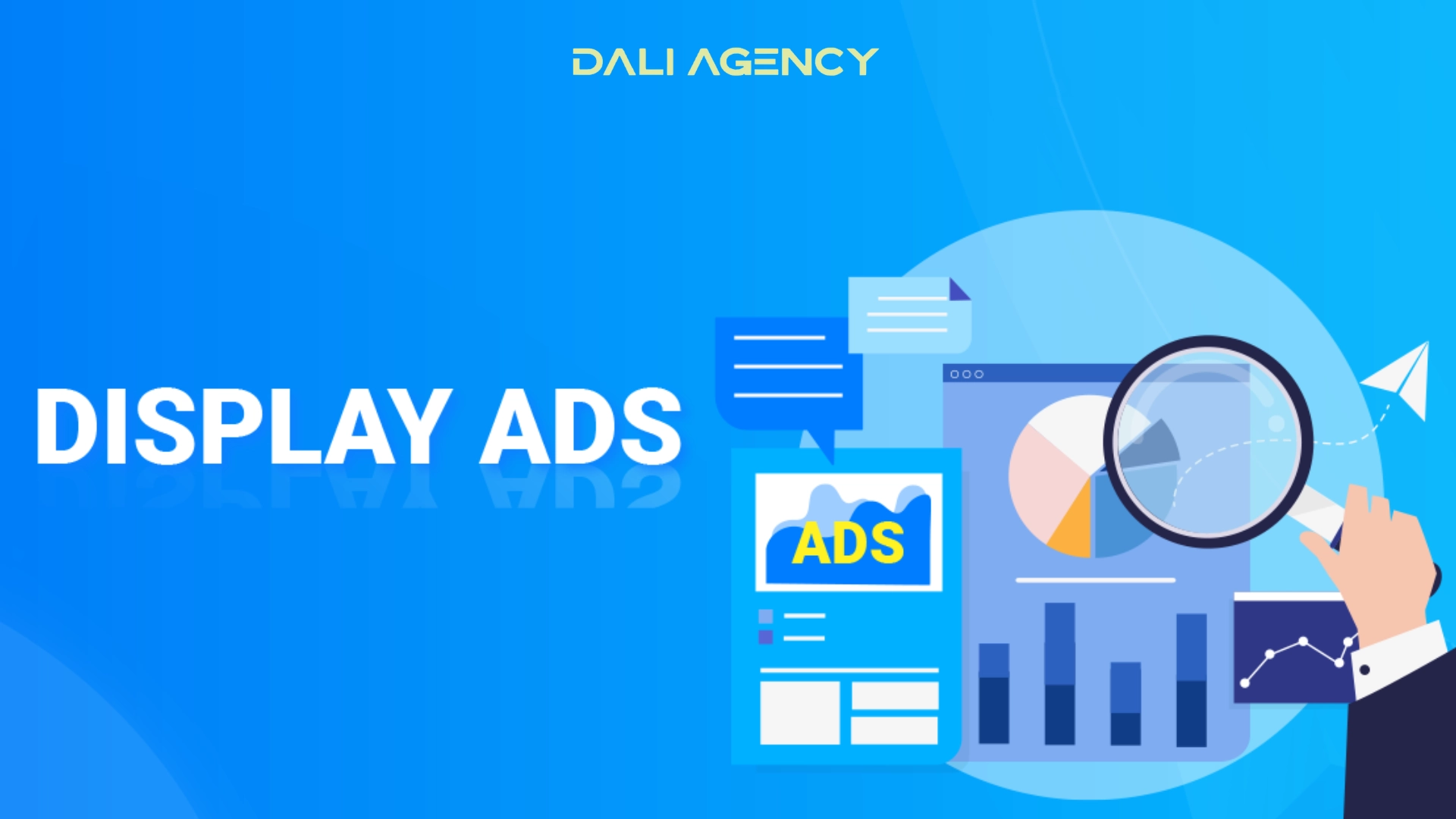
Allow businesses to place ads across Google’s partner websites, including millions of websites, videos, and mobile apps. These ads are usually displayed in the form of images or banners, helping enhance brand visibility and reach potential customers.
One major advantage of display ads is the ability to target audiences in detail. You can target based on demographics, interests, behaviors, location, and even specific websites that users frequently visit. Google Display Network (GDN) offers powerful tools to optimize campaigns, including remarketing to re-engage users who visited your site but did not take the desired action.
3. Video Ads
Video ads are an effective way to tell your brand story and connect with customers. They are often shown on YouTube and other partner sites within the Google Display Network.
These ads can appear before, during, or after a video (TrueView ads), or in special positions on YouTube. Formats include skippable in-stream ads, non-skippable in-stream ads, bumper ads, and video discovery ads. Each format serves a unique purpose, allowing flexible audience targeting.
4. Shopping Ads
Shopping ads are especially useful for online retailers who want to showcase their products directly on Google search results pages. They display product images, prices, store names, and relevant information, helping buyers easily compare and make purchase decisions.
To run these ads, you need to create a Google Merchant Center account and upload your product listings. Then, link it to your Google Ads account to create campaigns. Google will use product data from Merchant Center to display relevant ads based on user search queries.
These ads often have high conversion rates because they target users with purchase intent. Additionally, displaying product images and prices directly in the ad helps attract potential customers.
Things to keep in mind when running Google Ads
Understand how Google Ads works and ad ranking
Understanding how Google Ads works and how ads are ranked is crucial to optimizing campaign effectiveness.
Google Ads operates on an auction system, where advertisers bid on relevant keywords. Each time a search query occurs, Google uses an algorithm to rank ads based on two key factors: bid amount and quality score.
The quality score is determined by the relevance of the ad, expected click-through rate (CTR), and landing page experience.
Ads with a high quality score are prioritized for higher positions, and the cost per click (CPC) will also be lower.
Optimize the landing page to increase conversion rate
When running Google Ads, the landing page plays a crucial role in converting potential customers into actual ones. An effective landing page needs to have an attractive design, clear and relevant content, and a strong call-to-action (CTA).
Ensure that the landing page loads quickly and is mobile-friendly, as page speed and user experience also impact the ad’s quality score.
The content on the landing page should accurately reflect what the ad promised, creating continuity and consistency for the user. Use visual elements like images, videos, and charts to highlight the benefits of the product or service.
Conduct A/B testing of different landing page versions to find the most effective design and messaging.
Set a suitable budget for Google Ads
Setting an appropriate budget for your Google Ads campaign is key to ensuring cost-effectiveness and achieving business goals.
Determine the overall advertising budget, then break it down into daily budgets for each campaign.
Consider the level of competition for keywords and the campaign objectives when setting bids.
Use Google Ads’ forecasting and estimation tools to better understand the bid amount needed to achieve your desired position.
Always monitor and adjust the budget based on the campaign’s actual performance to optimize spending and achieve the best conversion rates.
Conclusion
Google Ads is one of the most effective online marketing methods today. However, to achieve good results, businesses need to have a clear understanding of the process and the important factors when running Google Ads.
We hope this article has provided useful and detailed information on how to run Google Ads effectively. If you’re looking for optimized solutions or need expert advice on running successful Google Ads campaigns, don’t hesitate to contact Dali Agency. We are always ready to assist you in building a tailored advertising strategy that delivers outstanding results for your business.
