
Facebook advertising cost control is a key factor in optimizing your ad budget and achieving the best results. When you manage your Facebook ad budget effectively, you not only save costs but also enhance your campaign performance.
To achieve this, regularly checking your Facebook ad costs is essential, as it helps you adjust your strategy in a timely manner. Understanding this, Dali Agency will now share some in-depth knowledge to support you in managing your budget and optimizing your campaigns to deliver the best results for your business.
Facebook advertising costs: Hidden factors that affect it
Understanding Facebook advertising costs and the factors that influence them is essential for effectively controlling Facebook ad expenses. Managing your Facebook ad budget is not just about tracking the money spent; it also involves grasping the “hidden” factors that can affect both the cost and the performance of your advertising campaigns.
How to determine Facebook advertising costs
To determine Facebook advertising costs, you need to understand the influencing factors, such as CPC (Cost Per Click), CPM (Cost Per Mille), and CPA (Cost Per Action). Controlling Facebook advertising costs includes not only analyzing direct expenses but also monitoring performance metrics to adjust the budget accordingly.
Smartly managing your Facebook ad budget will help optimize your campaigns, minimize waste, and ensure the highest efficiency.
Types of Facebook advertising costs
When controlling Facebook advertising costs, understanding the different types of costs is crucial for effectively managing your ad budget. Various pricing models directly influence how you allocate your budget and optimize your ad campaigns.
CPC (Cost per click)
CPC (Cost Per Click) is the amount you pay each time a user clicks on your ad. This is one of the most popular methods, typically chosen when your goal is to increase traffic to your website or landing page.
Effectively managing your Facebook ad budget with the CPC model requires closely monitoring costs and adjusting your strategy to ensure each click provides value.
CPM (Cost per mille)
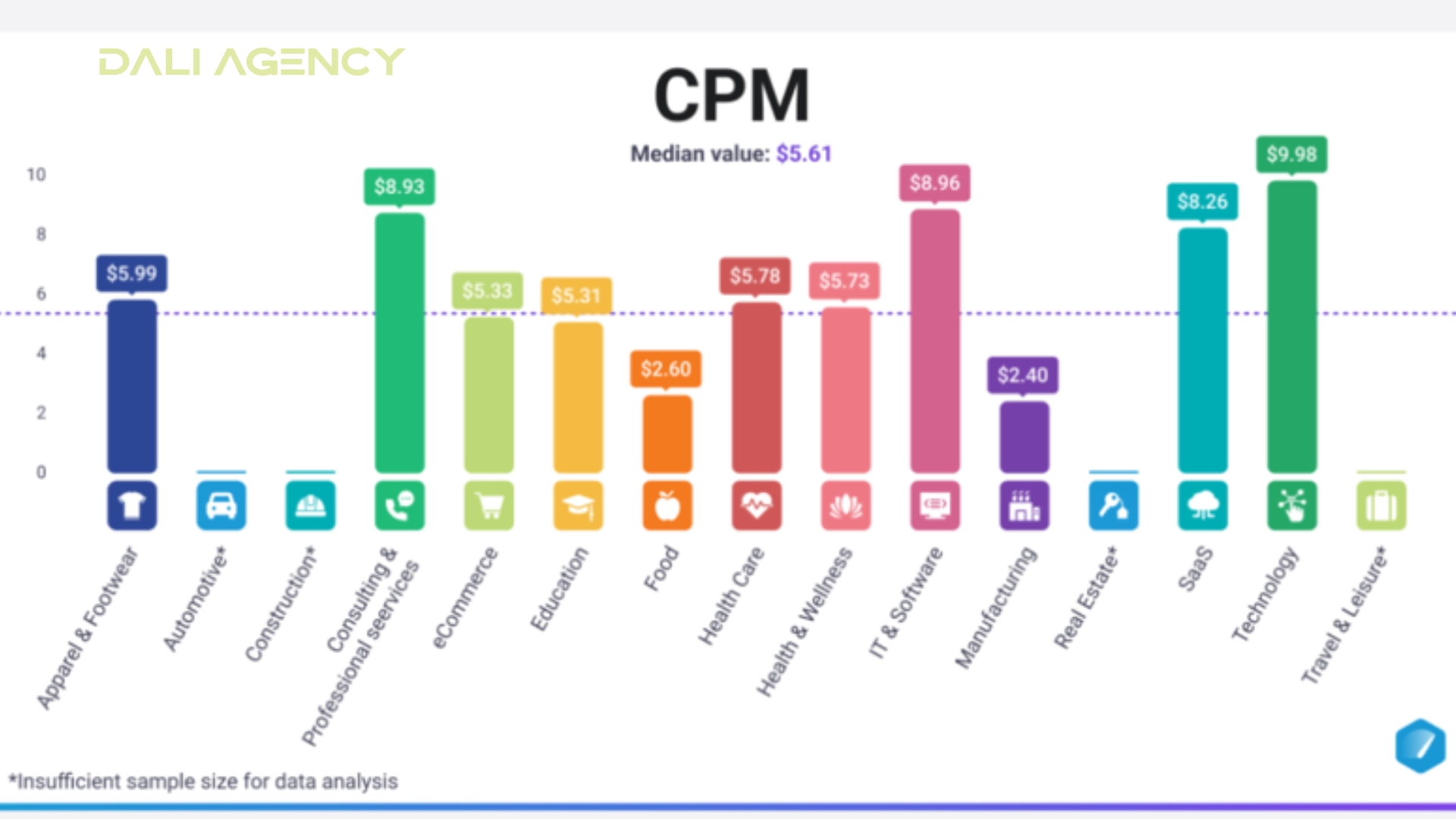
CPM (Cost Per Mille) is the amount you pay for every 1,000 impressions of your ad. This is a good choice when your primary goal is to increase brand awareness or reach a large number of users.
To control Facebook ad costs with CPM, you need to monitor ad performance and ensure that your budget is allocated properly to maximize your brand’s presence.
CPA (Cost per action)
CPA (Cost Per Action) is the amount you pay when a user performs a specific action, such as signing up, making a purchase, or downloading an app. This model is ideal when you want to measure and optimize specific results from your ads.
Tracking Facebook ad costs under the CPA model helps you adjust your advertising strategy to achieve the highest possible return from your invested budget.
CPV (Cost per view)
CPV (Cost Per View) is the amount you pay for each time a user views your video ad. This is a great method for increasing reach and building a connection with viewers.
To manage your Facebook ad budget effectively with CPV, you need to monitor the number of views and adjust your budget to ensure your ad reaches the right target audience at a reasonable cost.
Factors to consider when optimizing Facebook advertising costs
To effectively control Facebook advertising costs and optimize your budget, many important factors must be considered. Managing your Facebook ad budget requires paying attention to every detail and adjusting your strategy flexibly to achieve the best results.
Target audience
Defining your target audience accurately is the first key factor in controlling Facebook ad costs. When you target the right viewers, you optimize campaign performance and minimize budget waste.
Advertising budget
Managing the advertising budget is a crucial step in cost optimization. Properly allocating your budget helps you control Facebook ad costs and ensures you don’t exceed the planned spending while still achieving your advertising goals.
Bidding costs
Bidding costs directly affect the position and visibility of your ads. Adjusting your bids appropriately helps control Facebook ad costs and ensures you have the best opportunity to display ads without increasing costs excessively.
Advertising goals
Clearly defining advertising goals helps you focus on optimizing costs for specific objectives, such as increasing traffic, boosting sales, or enhancing brand awareness. This helps you manage your Facebook ad budget more effectively.
Ad placement
Ad placement greatly influences cost and campaign effectiveness. Choosing the right ad placements helps you optimize budget allocation and manage Facebook ad costs most effectively.
Ad quality
The quality of your ad, including images, content, and appeal, affects engagement and campaign effectiveness. High-quality ads help lower costs and improve advertising outcomes.
Timing of the year
The timing of your ad placement during the year directly impacts advertising costs. For example, ad costs may increase during peak seasons or holidays. Monitoring Facebook ad costs over time helps you adjust your budget to align with seasonal fluctuations.
Industry and business field
Your industry and business field also affect ad costs. Highly competitive industries such as fashion or real estate typically have higher costs. This requires careful management of your Facebook ad budget to achieve optimal results.
Competitors
Your competitors can impact your advertising costs. Monitoring competitor activities helps you adjust your strategy and budget to stay competitive and control Facebook ad costs more effectively.
Targeting optimization: “Hitting the bullseye”
In controlling Facebook advertising costs, optimizing targeting is key to ensuring that every dollar spent is used in the most effective way.
To manage your Facebook ad budget smartly, you need to focus on targeting the right audience and excluding irrelevant groups. This will make it easier and more accurate to monitor your Facebook ad costs.
Detailed targeting
Detailed targeting is an essential step in optimizing your ad campaign. By leveraging Facebook’s detailed targeting options, you can define your target audience more clearly and specifically.
This not only helps focus your budget on potential customers but also minimizes waste, thereby improving effectiveness and ensuring the best control over Facebook ad costs.
Excluding audiences
To effectively control Facebook ad costs, excluding irrelevant audiences is crucial. Using Facebook’s exclusion tools helps you avoid reaching people who have no need or interest in your product.
This allows you to manage your Facebook ad budget optimally, minimizing unnecessary costs and maximizing campaign effectiveness.
Ad placement
When controlling Facebook advertising costs, choosing the right ad placement is a critical factor not to be overlooked. Ad placement can significantly impact the effectiveness of your campaign and your budget.
To manage your Facebook ad budget effectively, comparing the cost and performance of different ad placements is essential.
Comparing the cost and effectiveness of placements
To control Facebook ad costs, you first need to compare the cost and effectiveness of various ad placements. Some placements may offer higher conversion rates, but they can also be more expensive.
Understanding the costs and benefits of each placement helps you manage your Facebook ad budget wisely, optimizing campaign results while minimizing waste.
Testing
Experimenting with different ad placements is an effective strategy to find the optimal option. By testing Facebook ad costs across various placements, you can identify which placement provides the best results at the lowest cost.
Use Facebook’s analytics tools to track and evaluate the effectiveness of each placement, helping you adjust your ad budget accurately and efficiently.
