
To effectively reach the right target audience, choosing the appropriate advertising platform is crucial for optimizing revenue. The two most prominent platforms today are Google Ads or Facebook Ads, each with its unique strengths. Which one is truly the “king” of advertising? Some argue that Facebook Ads are more effective, while others believe Google Ads outperform. So, which should you choose to achieve your business goals? Let’s dive into the analysis with Dali Agency to find the answer.
The difference between Google ads and Facebook ads
Google ads: Reaching proactive customers
Google Ads operate based on intent-driven searches. When customers type keywords like “buy cheap smartphones” or “website design services,” your ads appear directly on the search results page. This approach targets users with specific needs who are ready to make a purchase.
According to Dali Agency, Google Ads are ideal for businesses aiming to reach customers at the final stage of the buying journey, when they’re ready to make a decision. For example, a home appliance company can use search ads to target users searching for “best water purifier 2025.”
Advantages of Google Ads:
-
Highly effective for customers with clear purchase intent.
-
Precise targeting based on specific keywords.
-
Accurate result measurement through metrics like CTR (Click-Through Rate) and ROI (Return on Investment).
Disadvantages:
-
Cost-per-click (CPC) can be high, especially for competitive keywords.
-
Requires continuous optimization to achieve optimal results.
Facebook ads: Boosting brand influence
In contrast, Facebook Ads operate based on users’ behavior and interests. With data from billions of users, Facebook Ads allow targeting by age, gender, location, interests, and even purchasing behavior. This makes Google Ads or Facebook Ads an ideal choice for brand-building campaigns.
Dali Agency notes that Facebook Ads are suitable for businesses aiming to create brand awareness or reach potential customers at the early stages of the marketing funnel. For instance, a fashion brand can use video ads on Facebook to showcase a new collection, capturing the attention of fashion enthusiasts.
Advantages of Facebook Ads:
-
Detailed targeting capabilities to reach the right audience.
-
Lower costs compared to Google in many cases.
-
Supports various ad formats like images, videos, and carousels.
Disadvantages:
-
Customers may not be ready to buy immediately.
-
Requires creative and eye-catching content to stand out in the social media feed.
Comparing the effectiveness of Google ads or Facebook ads in boosting revenue
Revenue impact of Google ads
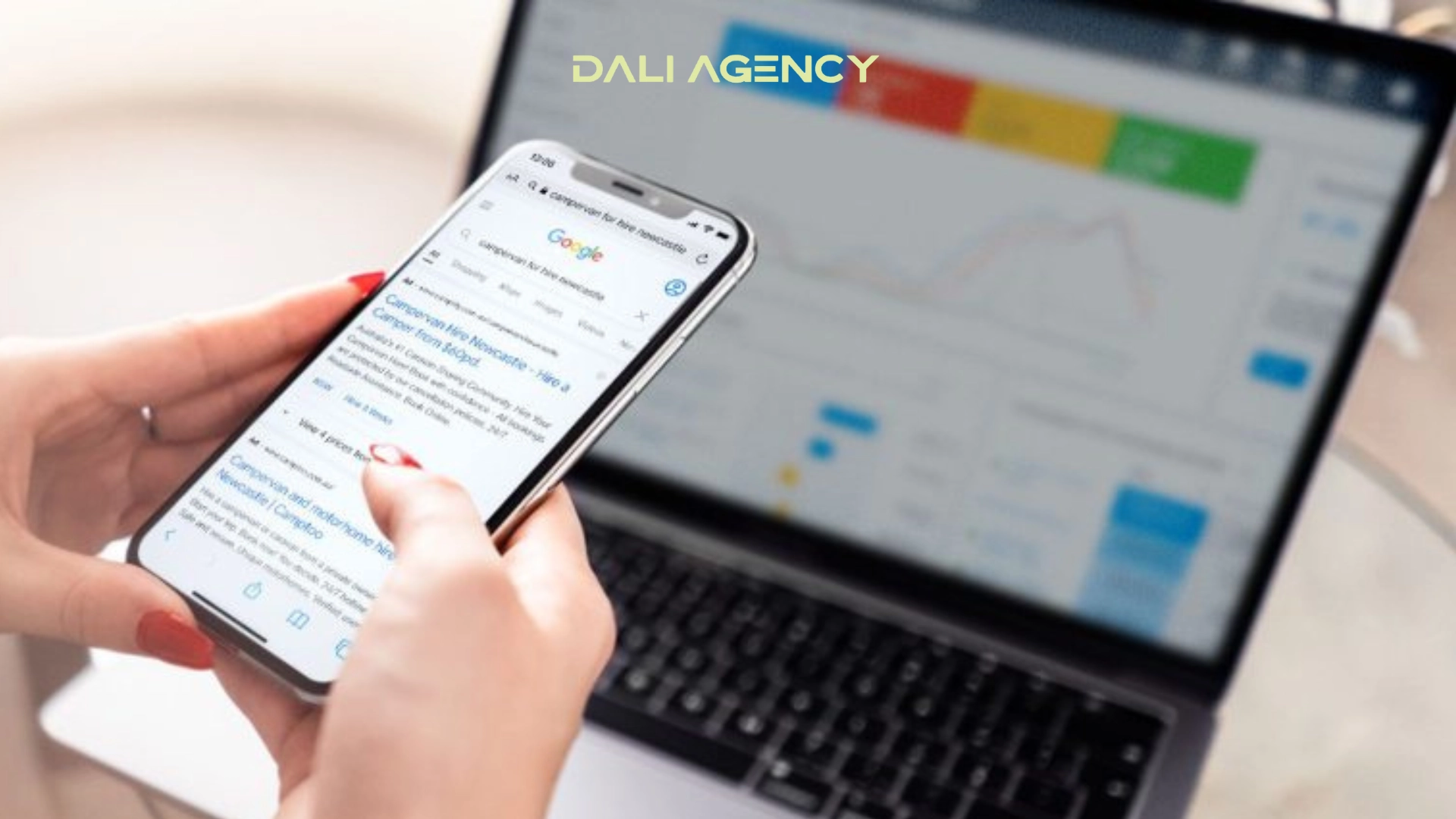
Google Ads often generate direct revenue by targeting customers with clear purchase intent. Statistics show that conversion rates from Google Ads can range from 2-5% depending on the industry, higher than display ads on social media. Dali Agency has seen numerous clients in sectors like real estate and education significantly increase revenue through well-optimized Google Ads campaigns.
However, achieving success requires investment in keyword research and landing page optimization. A high-quality landing page combined with precisely targeted ads can double conversion rates.
Revenue impact of Facebook ads
Facebook Ads, on the other hand, excel at increasing traffic and building a pool of potential customers. With lower costs, businesses can run remarketing campaigns to reconnect with users who have interacted with their brand. Dali Agency once ran a campaign for a cosmetics store, using Facebook Ads to collect leads and achieving a 10% conversion rate from leads to actual customers.
However, to turn traffic into revenue, businesses need post-advertising strategies like email marketing or chatbots to nurture leads.
Combining Google ads and Facebook ads
Instead of choosing one platform, many businesses, with guidance from Dali Agency, combine Google Ads or Facebook Ads to maximize revenue. For example, use Facebook Ads to build brand awareness and collect leads, then leverage Google Ads for remarketing to convert potential customers into actual buyers.
1. Awareness stage
This is when you introduce your product or service to people unfamiliar with your brand.
-
Facebook Ads are ideal: Use video ads or interactive posts to capture attention. Facebook’s targeting based on interests and behavior helps you reach the right audience. The goal is to spark curiosity and build brand recognition.
2. Consideration stage
Customers are now aware of you and are researching your products or services.
-
Google ads shine: Use Google Ads to target users actively searching for keywords related to your products or services. When they search, your ads appear, providing detailed information and directing them to a landing page.
3. Conversion stage
The ultimate goal is to turn interested prospects into paying customers.
-
Remarketing is key: Combine remarketing on both Google Ads and Facebook Ads to “re-engage” customers who have previously interacted with you (e.g., visited your website, watched a video, or added items to their cart). These reminder ads encourage them to return and complete their purchase.
Conclusion
Google ads or Facebook ads, each platform offers distinct advantages, and the choice depends on your business goals. If you aim to boost revenue quickly from customers ready to buy, Google Ads is the top choice. Conversely, if you want to build a brand and reach a broader audience, Facebook Ads are more suitable. With support from Dali Agency, your business can craft a combined advertising strategy, leveraging both platforms for optimal results.
Are you ready to increase revenue? Contact Dali Agency for tailored advertising strategies that suit your business needs!
